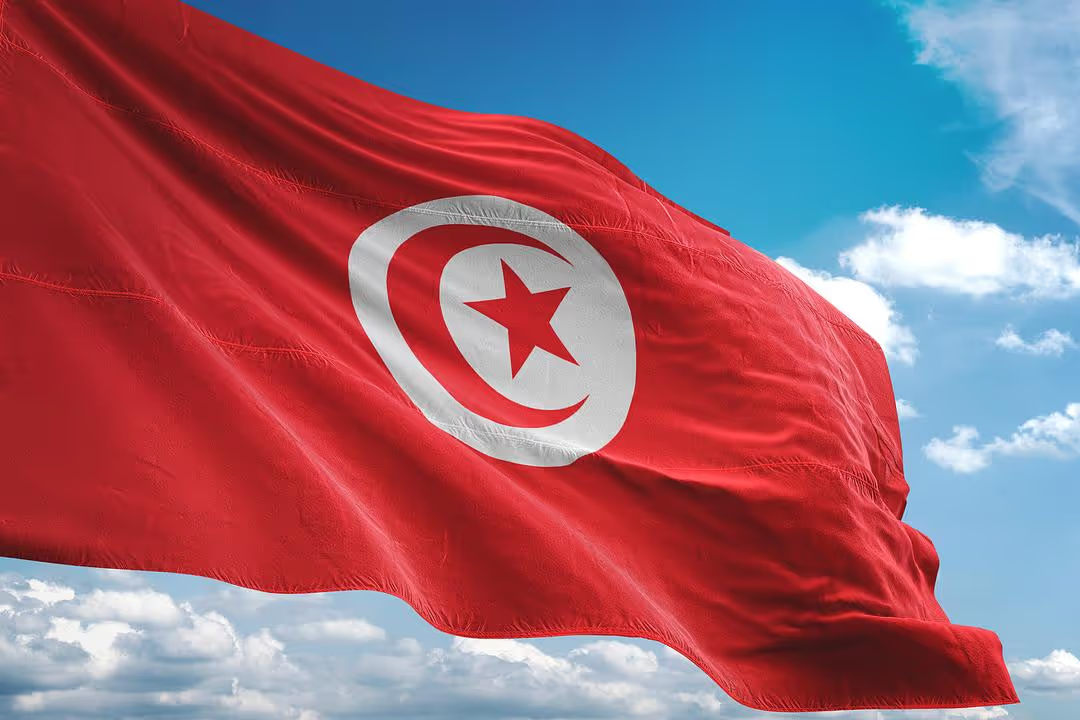
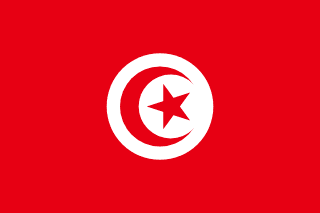
Employer of Record Guide in Tunisia
Tunisia's emerging tech sector and strategic Mediterranean location make it an attractive destination for global talent, but navigating local employment laws requires careful attention to detail. Our comprehensive guide helps you hire compliantly while tapping into this growing market of skilled professionals.
Capital City
Currency
Languages
Population size
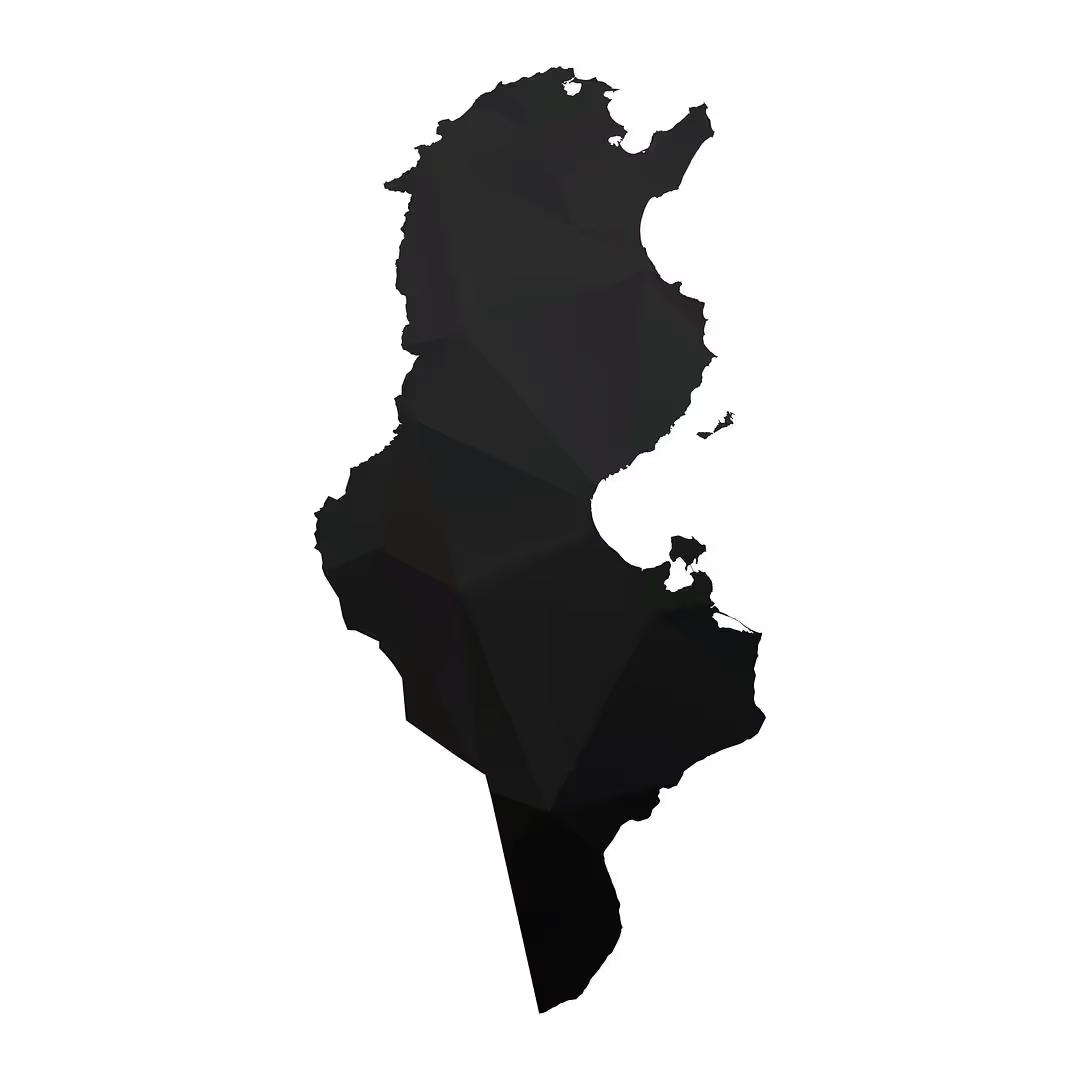
Key stats and facts
Tunisia offers competitive advantages for global hiring, from a growing pool of AI and cybersecurity specialists to strategic economic hubs like Tunis and Sfax. Understanding the local market dynamics—including tax structures, currency considerations, and in-demand skills—sets the foundation for successful expansion.
Major economic hubs
Skills in demand
Currency
Language
GDP per Capita
Standard Tax Rate
Your EOR guide in Tunisia
From dual minimum wage systems to progressive tax brackets, Tunisia's employment framework has unique characteristics that impact your hiring strategy. This detailed breakdown covers everything from payroll cycles and social contributions to leave policies and compliance requirements.
Minimum Wage
Tunisia operates a dual minimum wage system based on work schedules:
| Work Schedule | Rate (TND) | Effective Date |
|---|---|---|
| SMIG (48-hour week) | 528.320 | Current |
| SMIG (40-hour week) | 448.240 | Current |
| SMAG (Agricultural daily) | 20.320 | Current |
Note: SMIG applies to industrial and commercial sectors, while SMAG covers agricultural workers.
Payroll Cycle
Monthly payroll is the standard practice in Tunisia. Salaries are typically paid at the end of each month, with some companies paying by the 25th of the month for the current period.
Individual Income Tax
Tunisia's progressive income tax system (IRPP - Impôt sur le Revenu des Personnes Physiques) applies the following brackets:
| Income Bracket (TND) | Tax Rate |
|---|---|
| 0 - 5,000 | 0% |
| 5,001 - 10,000 | 15% |
| 10,001 - 20,000 | 20% |
| 20,001 - 50,000 | 25% |
| 50,001 - 100,000 | 30% |
| Over 100,000 | 40% |
Tax Residency Criteria
Individuals are considered Tunisian tax residents if they meet the 183-day rule or have their centre of economic interests in Tunisia. Tax residents must pay Tunisian income tax on their worldwide income, while non-residents only pay tax on Tunisian-source income.
Employer Payroll Contributions
Employers in Tunisia must contribute to the social security system (CNSS) and other mandatory programmes:
| Contribution Type | Rate | Purpose |
|---|---|---|
| Social Security (CNSS) | 16.57-17.07% | Pensions, healthcare, family allowances |
| Professional Training Tax | 1-2% | Workforce development |
| Housing Fund (FOPROLOS) | 1% | Social housing |
| Total Employer Burden | 20-27% | All mandatory contributions |
Note: Rates may vary slightly based on industry sector and company size.
Working Hours
The standard work week in Tunisia is 40-48 hours, distributed across 5-6 days. The specific schedule depends on the industry and collective bargaining agreements.
- Standard Schedule: 8 hours per day, 5 days per week (40 hours)
- Extended Schedule: 8 hours per day, 6 days per week (48 hours)
- Ramadan Hours: Reduced working hours during the holy month
Overtime Pay
Overtime compensation varies based on the employee's standard work schedule:
- 40-hour week employees: 125% for first 20 hours, 150% thereafter
- 48-hour week employees: 175% for all overtime hours
- Night work: Additional premium of 25-50% depending on hours
Bonus Payments
Tunisia does not mandate a 13th-month bonus, unlike some neighbouring countries. However, many employers provide performance-based bonuses or end-of-year payments as part of their compensation packages.
Full-Time vs. Part-Time
- Full-time: Employees working the standard 40-48 hour work week
- Part-time: Employees working fewer hours with proportional benefits and protections
Vacation Leave
Tunisia's annual leave system provides:
- Minimum Entitlement: 12 working days per year
- Age-based Increases: Additional days for employees over certain ages
- Service-based Increases: Extended leave for long-serving employees
- Payout Rules: Unused vacation must be compensated upon termination
Sick Leave
The Tunisian social security system (CNSS) provides sick leave benefits:
- Waiting Period: 5 days before benefits begin
- Compensation: 66.7% of regular salary
- Duration: Up to several months depending on medical condition
- Medical Certification: Required from approved healthcare providers
Maternity Leave
Note: Research shows conflicting information - please double-check current regulations
Recent legislation provides:
- Duration: 3 months of paid maternity leave (2024 law)
- Compensation: Funded through social security system
- Job Protection: Guaranteed return to same or equivalent position
Parental Leave
- Paternity Leave: 7-10 days for new fathers
- Adoption Leave: Available for adoptive parents
- Unpaid Leave: Extended parental leave options available
Bereavement Leave
- Immediate Family: 2-3 days paid leave for spouse, parents, children
- Extended Family: 1-2 days for siblings, grandparents
- Documentation: Death certificate required
Personal & Family Leave
Tunisia recognises several cultural and family events:
- Marriage Leave: 3 days for employee's wedding
- Religious Observances: Time off for major Islamic holidays
- Family Ceremonies: Leave for traditional celebrations
Summary
| Leave Type | Duration | Paid? | Funding |
|---|---|---|---|
| Annual Leave | 12+ working days | Yes | Employer |
| Sick Leave | Variable | Yes (66.7%) | Social Security (CNSS) |
| Maternity Leave | 3 months | Yes | Social Security (CNSS) |
| Paternity Leave | 7-10 days | Yes | Employer/Social Security |
| Bereavement | 2-3 days | Yes | Employer |
| Personal/Family | Varies | Varies | Employer |
Termination Types
Termination With Cause:
- Must demonstrate substantial and fair reason
- Disciplinary procedures required
- No severance obligations
Termination Without Cause:
- Permitted with proper notice and severance
- Must follow procedural requirements
- Economic reasons accepted
Notice Period Requirements
Note: Research shows conflicting information - please double-check current regulations
| Employee Category | Notice Period |
|---|---|
| Standard Employees | 1 month |
| Executives/Managers | 3 months |
| Probationary Period | Reduced or no notice |
Severance Pay
Employees terminated without cause are entitled to severance:
- Calculation: One day's wage per month of service
- Maximum: 3 months' salary
- Minimum Service: Typically requires 6+ months of employment
Probationary Periods
Note: Research shows conflicting information - please double-check current regulations
- Standard Roles: Up to 6 months, renewable once
- Management Positions: 6-12 months depending on seniority
- Termination Rights: Reduced notice requirements during probation
Final Pay Requirements
Employers must provide final compensation including:
- Outstanding salary
- Accrued vacation pay
- Severance payments (if applicable)
- Any contractual bonuses
Termination Documents & Process
- Written Notice: Required via registered mail
- Disciplinary Councils: May be required for certain terminations
- Documentation: Maintain records of performance issues
- CNSS Notification: Update social security records
Anti-Discrimination & Retaliation Laws
Tunisia's labour code and Law 2018-50 prohibit discrimination based on:
- Race and ethnicity
- Gender and pregnancy
- Religion and political beliefs
- Union membership
- Disability status
National Holidays (2025)
Tunisia observes 11 national holidays, including both secular and Islamic observances:
| Holiday | Date | Type |
|---|---|---|
| New Year's Day | January 1 | Secular |
| Revolution Day | January 14 | National |
| Independence Day | March 20 | National |
| Martyrs' Day | April 9 | National |
| Labour Day | May 1 | Secular |
| Republic Day | July 25 | National |
| Women's Day | August 13 | National |
| Eid al-Fitr | Varies | Islamic |
| Eid al-Adha | Varies | Islamic |
| Islamic New Year | Varies | Islamic |
| Prophet's Birthday | Varies | Islamic |
Note: Islamic holidays follow the lunar calendar and dates vary annually.
Holiday Pay & Working on a Holiday
- Premium Pay: 200% of regular wage for work on public holidays
- Substitute Days: Alternative day off if holiday falls on weekend
- Religious Accommodation: Flexibility for Islamic observances
Required Documentation for Employment
- Employment Contract: Written contracts mandatory for fixed-term positions
- CNSS Registration: Social security enrollment required
- Tax Registration: Income tax withholding setup
- Identity Documents: National ID or passport verification
- Banking Information: For salary payments
Language Requirements
- Official Language: Arabic is the official language
- Business Language: French widely used in business settings
- Contract Language: Contracts typically in Arabic or French
- Translation: Important documents may require certified translation
Background Checks & References
Background verification is permitted but must comply with privacy regulations:
- Employment History: Previous employer verification
- Educational Credentials: Degree and certification verification
- Criminal Records: Limited to job-relevant checks
- Consent Required: Written employee permission necessary
Data Protection & Privacy
Tunisia's data protection framework includes:
- Law No. 2004-63: Personal data protection regulations
- INPDP: National authority for data protection
- Consent Requirements: Employee consent for data collection
- Cross-border Transfers: Restrictions on international data transfers
IP Assignment & Confidentiality
- Work-for-Hire: Employer owns work created during employment
- Confidentiality Clauses: Standard in employment contracts
- Non-compete: Limited enforceability, must be reasonable
- Trade Secrets: Protected under commercial law
Probation Period Setup
Employment contracts should clearly define:
- Probation duration and renewal terms
- Performance evaluation criteria
- Termination procedures during probation
- Conversion to permanent employment
Onboarding Timeline
| Step | Timeline |
|---|---|
| Job offer accepted | Day 0 |
| Contract preparation | Day 1-3 |
| CNSS registration | Day 3-5 |
| Tax setup completion | Day 5-7 |
| First day orientation | Day 7-10 |
| Probation review schedule | Month 1-6 |
What the EOR Handles
Borderless AI manages:
- Employment contract drafting and compliance
- CNSS registration and contributions
- Tax withholding and remittance
- Local labour law compliance
- Arabic/French documentation
- Ongoing regulatory updates
Worker Classification: Employee vs. Contractor
Tunisia applies a subordination test to determine employment status:
- Employees: Work under employer direction and control
- Contractors: Operate independently with minimal supervision
- Misclassification Risks: Penalties and retroactive social contributions
- Legal Tests: Courts examine control, integration, and economic dependence
Unionisation & Collective Agreements
Tunisia has a strong union tradition:
- UGTT: Major labour confederation with significant influence
- Sector Agreements: Industry-specific collective bargaining agreements
- Strike Rights: Protected under labour law
- Consultation Requirements: Employee representatives in larger companies
Cultural Norms & DEI Expectations
Tunisian workplace culture emphasises:
- Respect and Hierarchy: Traditional respect for seniority
- Religious Accommodation: Flexibility for Islamic practices
- Gender Equality: Progressive laws supporting women's rights
- Work-Life Balance: Family time highly valued
Anti-Discrimination Laws
Tunisia's comprehensive anti-discrimination framework includes:
- Constitutional Protections: Equality provisions in 2014 constitution
- Labour Code: Workplace discrimination prohibitions
- Law 2018-50: Specific racial discrimination protections
- Gender Equality: Strong legal framework for women's rights
Remote Work Considerations
Tunisia's remote work framework includes:
- Legal Recognition: 2022 decree for public sector remote work
- Private Sector: Growing acceptance with proper contracts
- Equipment Provision: Employer responsibilities for home office setup
- Permanent Establishment: Risks for foreign companies with remote employees
Note: Remote work regulations continue evolving - verify current requirements
Built-in benefits packages for Tunisia
When the world is your competition, it pays to incentivize new hires and existing alike. Borderless AI benefits packages typically include:

Medical Insurance

Dental Insurance

Retirement Contribution

Life Insurance

Vision Insurance
Explore other countries






Unlock global hiring potential
Simplify your payroll and hiring processes today.