

When you’re building a startup, people operations show up faster than expected. One day you’re focused on product and customers, and the next you’re thinking about payroll, contracts, onboarding, feedback, and policies you didn’t even know you needed. It’s a lot to hold at once, especially when you’re also running the company.
Most founders figure this out in real time. There’s rarely a clear starting point, and HR isn’t something you planned to become an expert in.
This HR checklist for startups is built specifically for founders. It’s designed to bring clarity to the basics, help you avoid common gaps, and make people ops feel manageable, even in the messy early stages. We’ve helped hundreds of founders cover what matters, including the things that are easy to overlook at first.
1. Get your HR foundations in place
Before you hire, make sure your foundation is in place.
Business setup
- Company is legally registered in your home country
- Employer identification number (EIN) or local equivalent is set up
Employment fundamentals
- Understand minimum wage requirements
- Clarify overtime rules
- Account for payroll taxes
- Confirm worker classification confirmed (employee vs. contractor)
Operational requirements
- Payroll system and pay frequency established
- Identify employer contributions (social security, pensions, etc.)
- Prepare required workplace policies or postings
- Plan record-keeping and reporting processes
- Meet data privacy and employee data handling requirements
For remote or global hires
- Review country-specific labour laws
- Review local tax and compliance requirements
- Decide on whether to use an entity setup vs. Employer of Record
Want country-specific details? Explore our Global Guides to get a clear overview of hiring requirements, payroll norms, benefits, and compliance considerations for countries around the world.
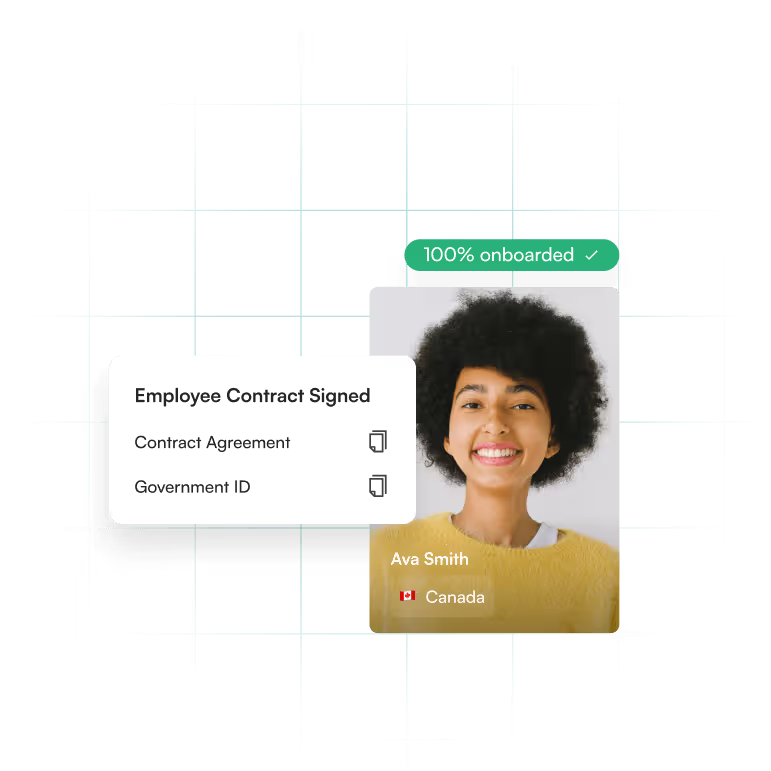
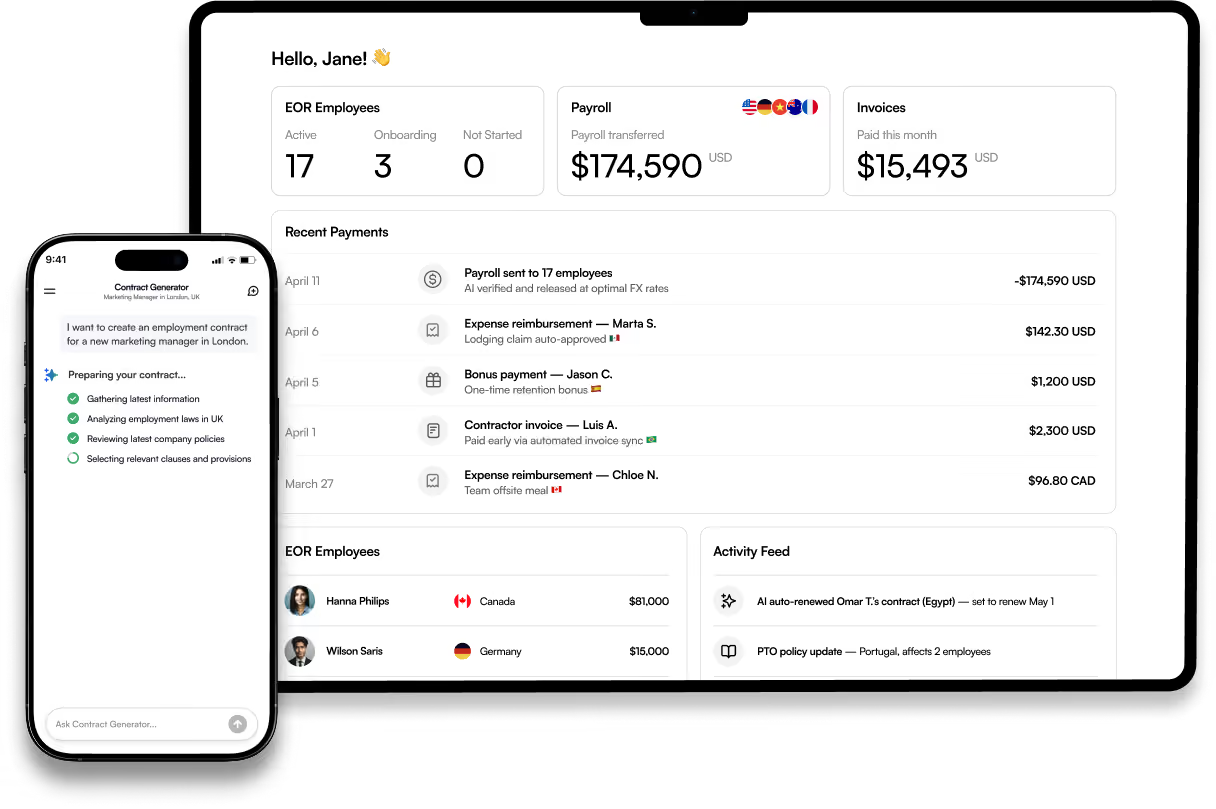
If you’re hiring internationally, an Employer of Record (EOR) like Borderless AI can act as the legal employer in your hire’s country, handling contracts, payroll, taxes, and statutory benefits so you can hire compliantly without setting up a local entity.

2. Think about people and culture early
Culture is how you work, communicate, and make decisions when things move fast. Once habits form and people settle in, it’s not easy to rewind. For that reason, it’s important to have an idea of what you’d like the company culture to look like.
Here’s how to define your why and values
- Write down what your company stands for
- Decide what kind of environment you want to build
- Be clear about how you show up during hard moments
- Call out behaviors you reward and behaviors that do not belong
This helps you hire for culture add and makes onboarding faster and clearer.
Establish basic HR policies
- Document expectations for time off, working hours, remote work, and feedback
- Keep policies short, practical, and easy to understand
- Use consistent frameworks as you grow
3. Figure out how (and where) to hire
Decide who and where early, local simplifies, global expands talent.
*What Borderless AI can help with
If you decide to start local:
Execution focus
- Identify which roles benefit most from real-time collaboration
- Decide how often in-person work actually matters
- Set clear expectations for hybrid vs. fully on-site work
Team dynamics
- Establish meeting rhythms that support fast decisions
- Create feedback loops early so issues surface quickly
Growth readiness
- Notice when local hiring starts to limit speed or access to talent
- Document processes so they are easy to share later
If you decide to hire globally:
Execution focus
- Create a list of roles that you’ll need that work well with async-first communication
- Design work handoffs that work across time zones
- Build documentation habits so knowledge is not location-dependent
Team dynamics
- Align managers on how to measure outcomes instead of hours
- Normalize written updates and clear decision ownership
- Create shared rituals that help distributed teams feel connected
- Standardize role levels and expectations across regions
→ Want hands-on help? Speak to a Borderless expert about our white-glove support.

4. Recruiting, hiring, and onboarding
Recruiting
- Write job descriptions that focus on the top 3-5 things this person will actually do
- Be honest about what matters on day one versus what can be learned
- Source locally or globally based on how the work gets done, not where you think talent “should” be using tools like LinkedIn, Upwork and Indeed.
Hiring
- Set up a founder chat and align on expectations
- Check references so you are not surprised later
- Send simple offers that cover pay, equity if applicable, start date and next steps
Onboarding
- Give people access to tools and introduce them to who they will actually work with
- Share context about the company and their role before asking for output
- Check in early and often during the first month
- Optional: Automate HR tasks where you can.
5. Compensation and benefits
How to figure out your salary budget and what should be included in compensation:
- Look at market ranges using tools like salary.com.
- Decide what you can afford now
- Use a simple structure: base pay, early equity when it makes sense, and bonuses if outcomes are measurable
- Communicate what employees should expect so they feel secure
- Optional: For remote or hybrid roles, consider offering a tech stipend to help employees set up a functional, comfortable workspace.
6. Payroll and compliance
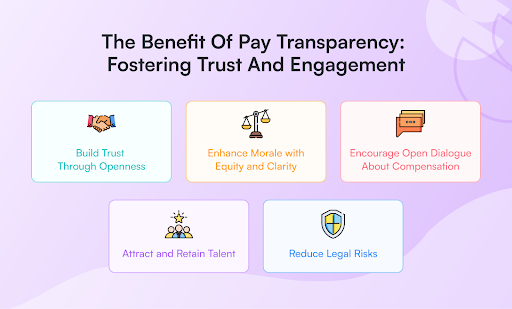
Pay and benefits vary by role, location, and market. Getting them right builds trust quickly.
- Check if your offers align with local rules
- Double check benefit requirements
- Confirm probation terms, taxes, and equity implications upfront
- Choose a payroll provider that can support your current team and scale with you
7. Policies and procedures
Early on, simpler is better. Get the basics right and leave room to evolve.
Consider and plan:
- How you keep people safe at work, whether in an office or remote
- How feedback, concerns, and issues are raised and handled
- What behavior is expected and what is not tolerated
- How time off works and how requests are approved
- What the exit process looks like when someone leaves
8. Standard HR documentation
- Keep contracts, offer letters, tax forms, and NDAs in one secure place so nothing gets lost or scattered across inboxes
- Track basics like compensation, time off, role changes, and start dates to avoid confusion later
- Document decisions around pay, promotions, and role changes so they feel fair and explainable over time
- Make records easy to update and easy to find when questions come up
9. Feedback early and often
Especially for new employees, feedback really is a gift. It helps people adjust quickly, build confidence, and understand what strong performance looks like.
- Check in regularly, even when things feel busy or chaotic
- Start with what’s working before digging into what’s not
- Be specific and timely so feedback is useful and well received
- Ask what support or context is missing on your side
- Keep light notes so patterns are easier to spot over time
10. Smooth scaling
Here’s how to scale past 10+ employees while maintaining your existing processes. Or at least the parts that worked.
- Set clear role levels and growth paths so people know what progress looks like
- Make promotions and pay feel fair, consistent, and easy to explain
- Use simple data like retention, workload, and engagement to spot issues early
- Give high-potential team members ownership of small projects or teams. (Founders can’t, and shouldn’t, manage everyone forever).
- Document how decisions so you can repeat the process later.
When the foundation is solid, you have more options. You can grow locally, go hybrid, or add global team members later without breaking your systems or culture. The right structure early gives you flexibility to scale in whatever direction the business needs next.
Keeping it human
HR doesn’t have to mean having a big book of rules or a dedicated role right away. This HR checklist for startups focuses on helping people do their best work, and as a founder, you’re already equipped to lead that.
It’s okay not to have everything figured out on day one. With the right foundations and support, you can build a people-first team without getting buried in admin. Borderless AI removes the operational friction so you can focus on the human side, with payroll, contracts, and onboarding handled in one place.
Clear policies, thoughtful onboarding, reliable payroll, and a strong culture build trust over time. When your team knows you have their back, they show up for the work. With the right foundation in place, you can scale confidently, whether that's right at home, or across borders.